









Executive Creative Direction — Enhanced with AI
When I joined, the stores and the website looked like two different brands. I rebuilt the identity from the belief up, as one system in five parts. Each part is a guide. Open any one.
 01StoryWhat the brand believes
 02VoiceHow it talks
 03DesignHow it looks
 04PhotographyHow it’s seen
 05PatternHow it’s dressed
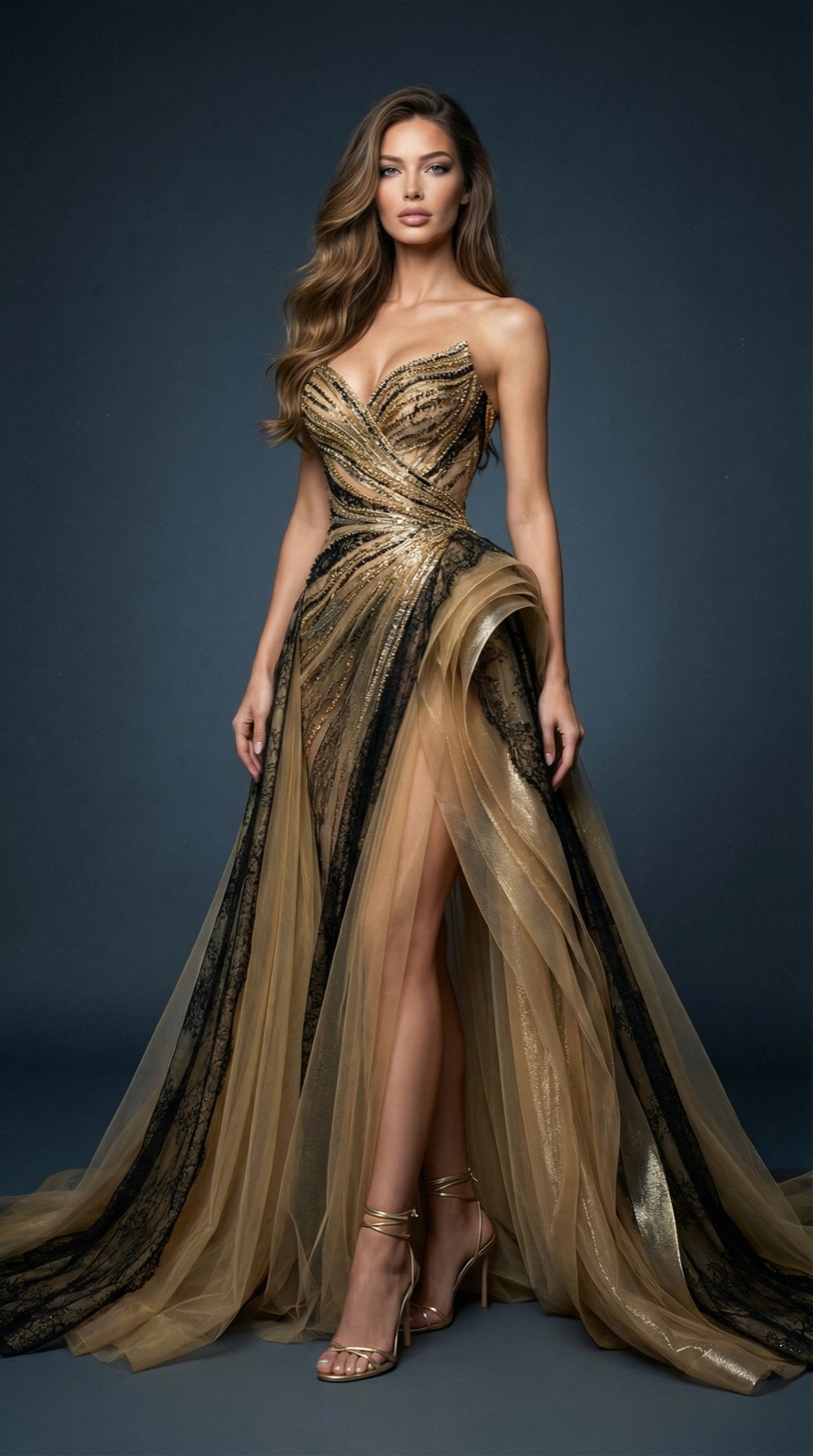
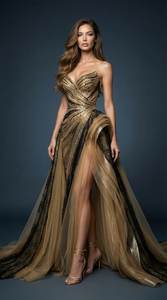
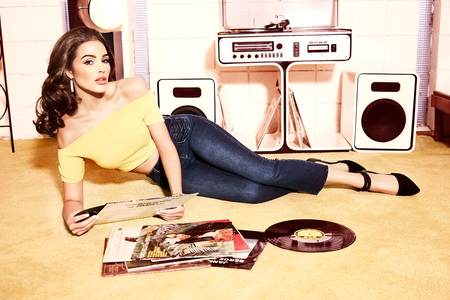
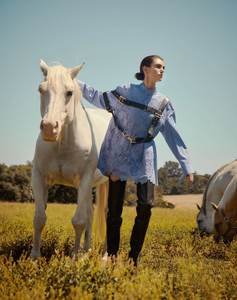
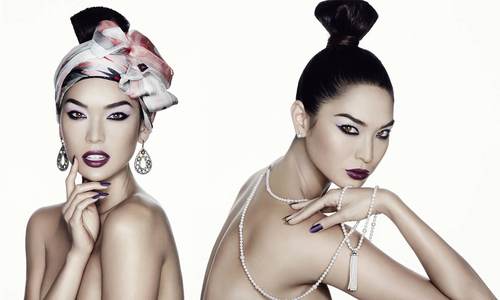
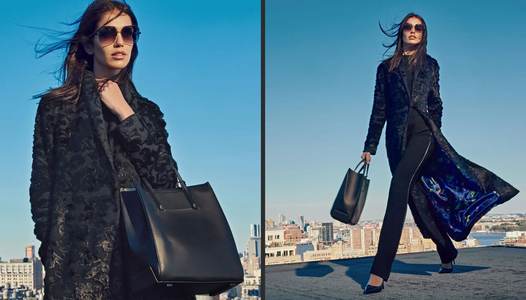
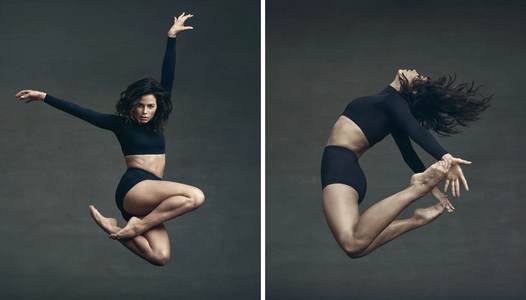
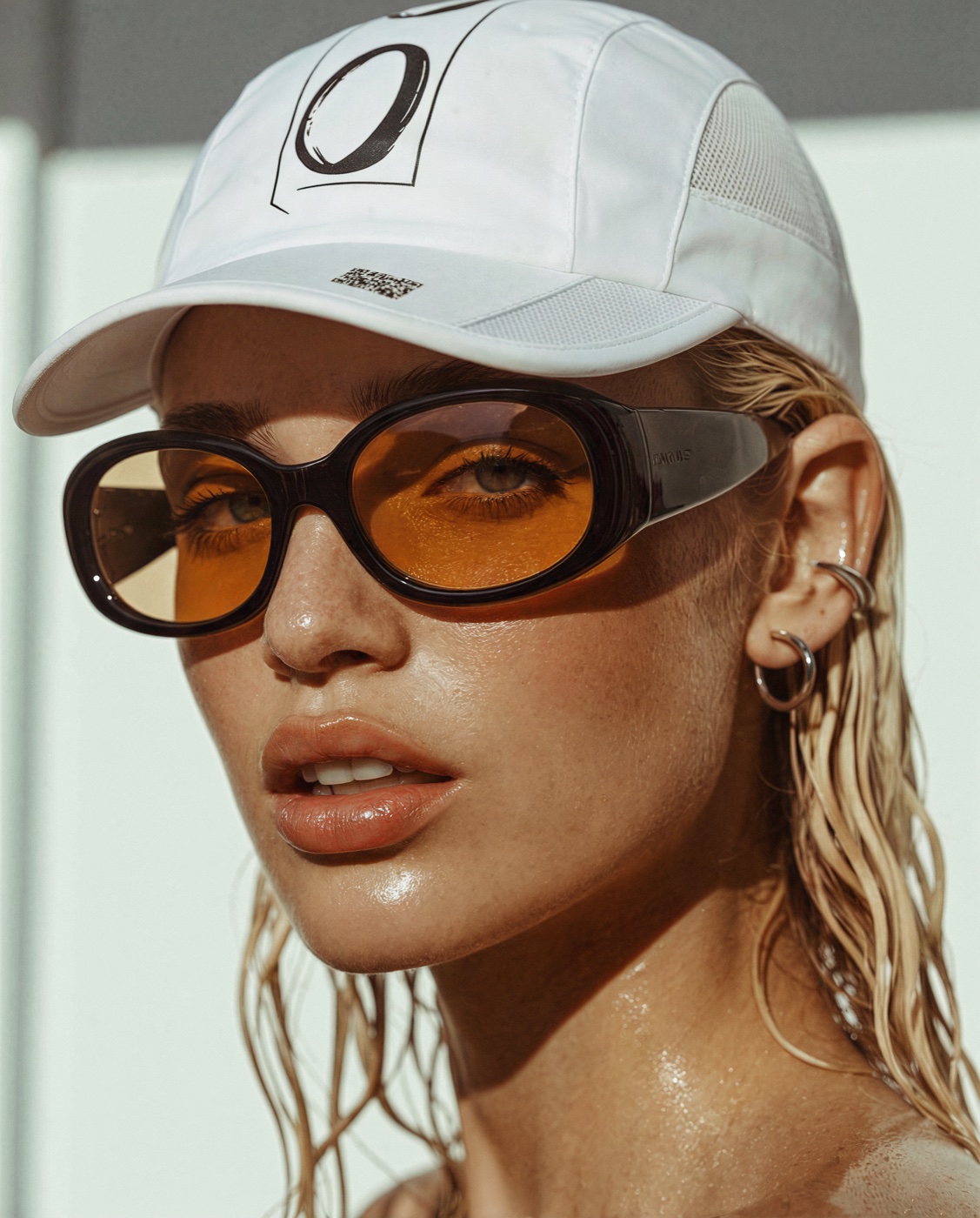
Anyone can prompt a pretty model — and it looks like AI. Daniela began as a raw generation. Everything after is direction: editorial styling, art-directed poses, realistic skin and light, one identity held frame to frame, refined and upscaled to campaign grade. The strategic bet was identity — the thing AI imagery usually can’t do and the thing a brand can’t live without. One model, deployed across every category a retailer sells.



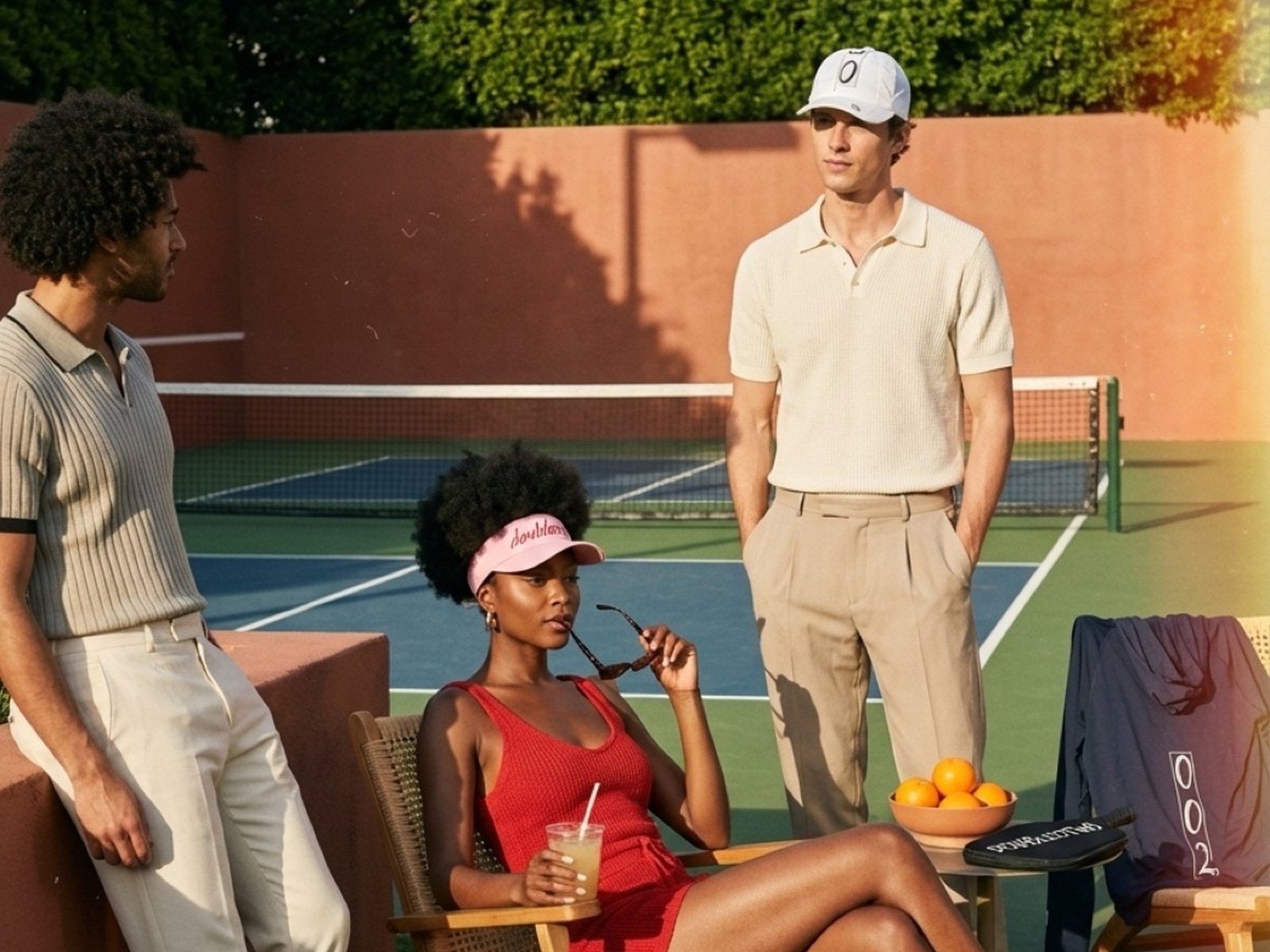
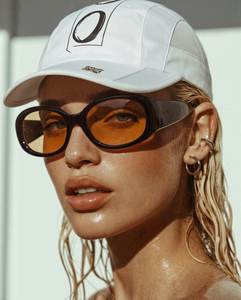
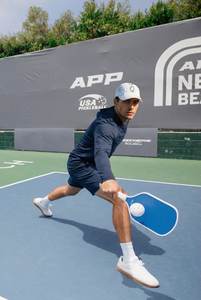
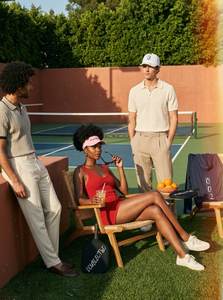
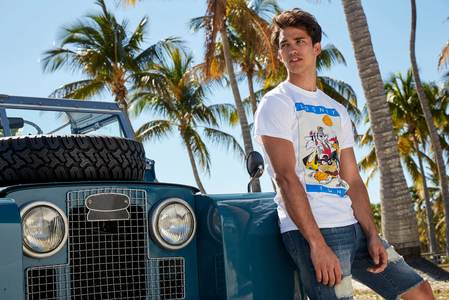
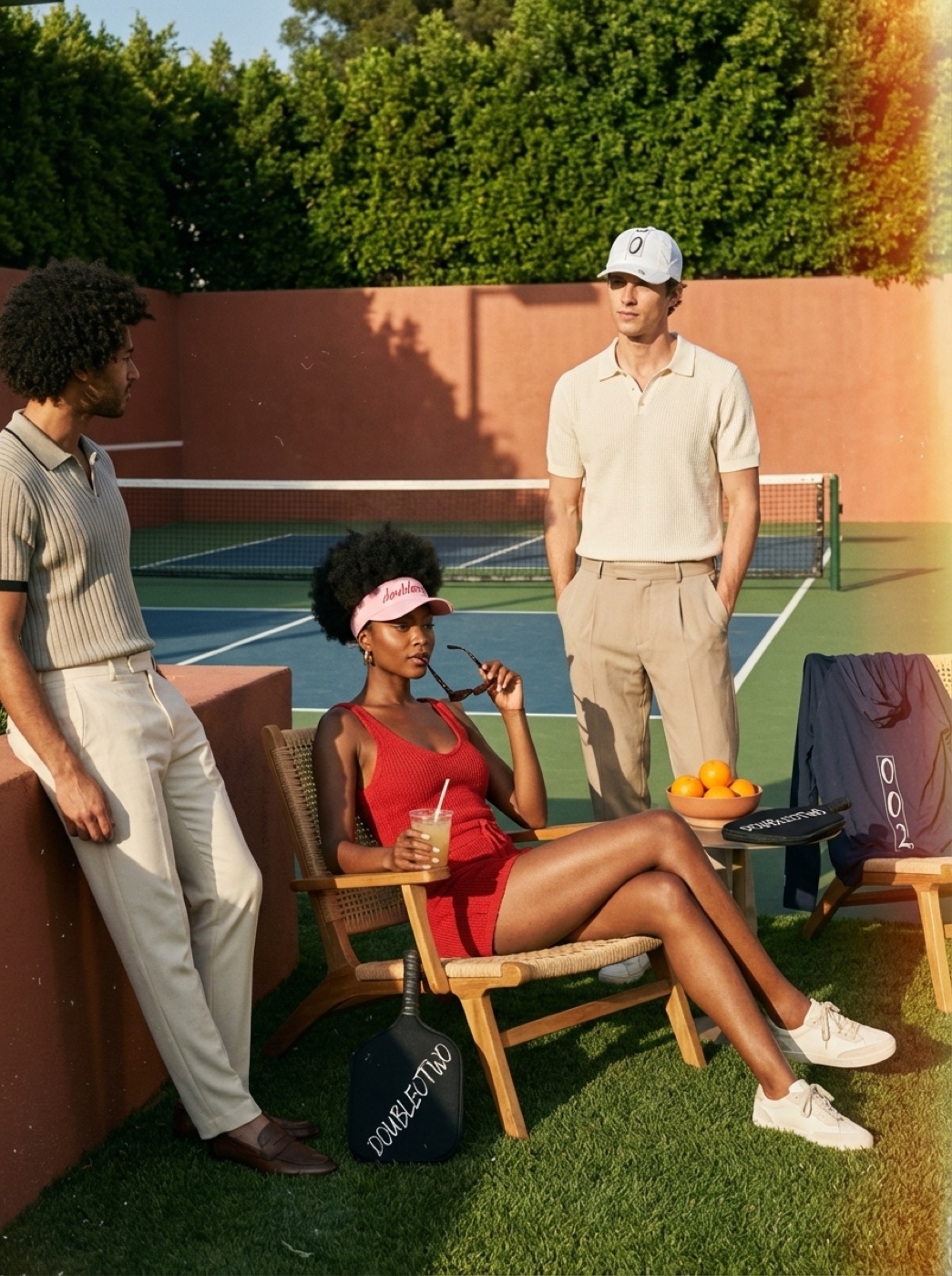
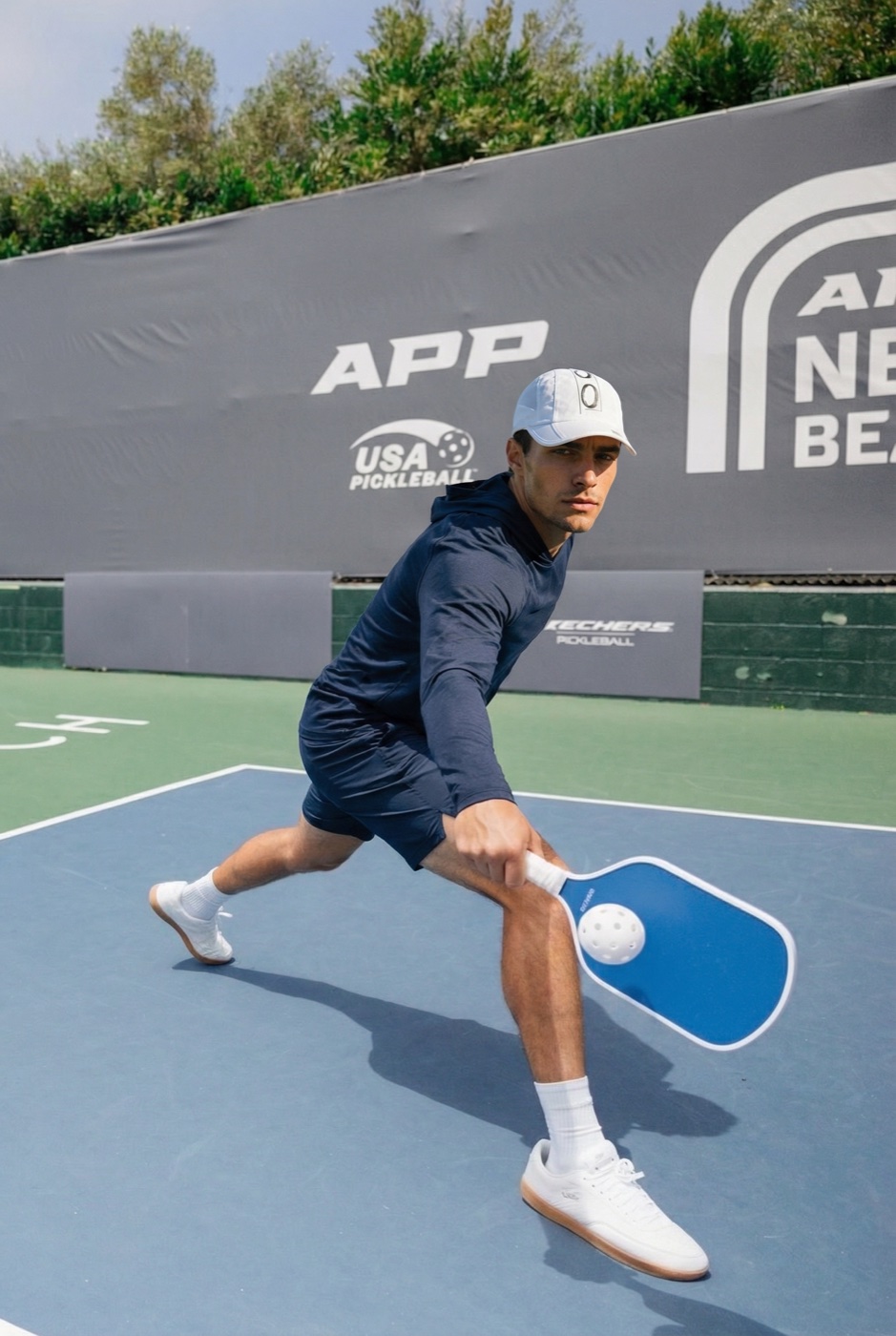
The brief for 002, a fashion-forward pickleball label: Elevated Style Made for Sunlit Living. The system ran two image languages — a campaign layer that sells the fantasy, a commerce layer that sells the product — with a cast chosen by a fashion editor rather than a sports marketer.
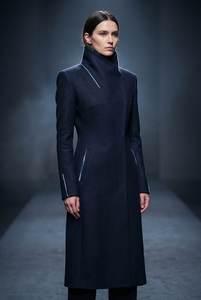
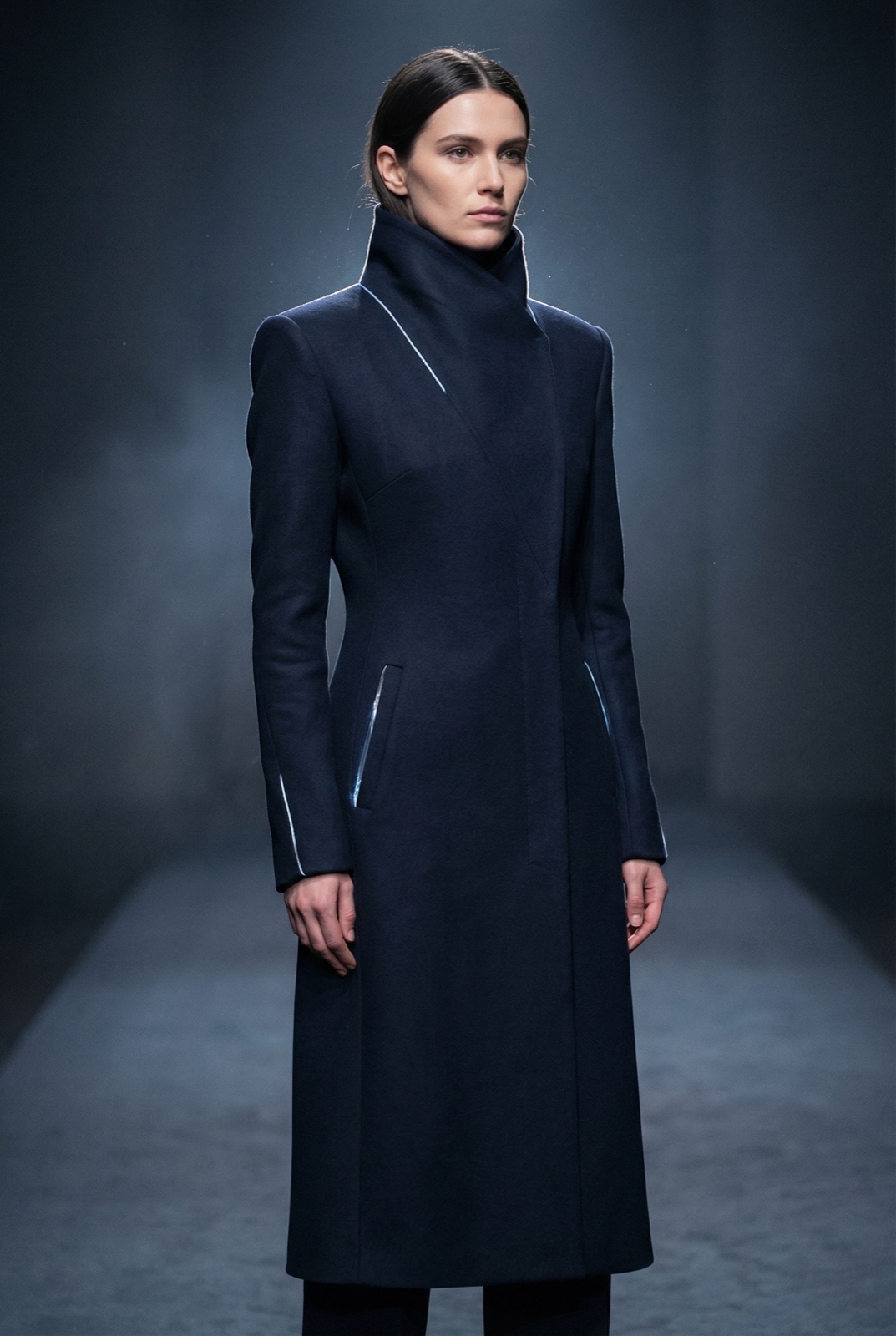
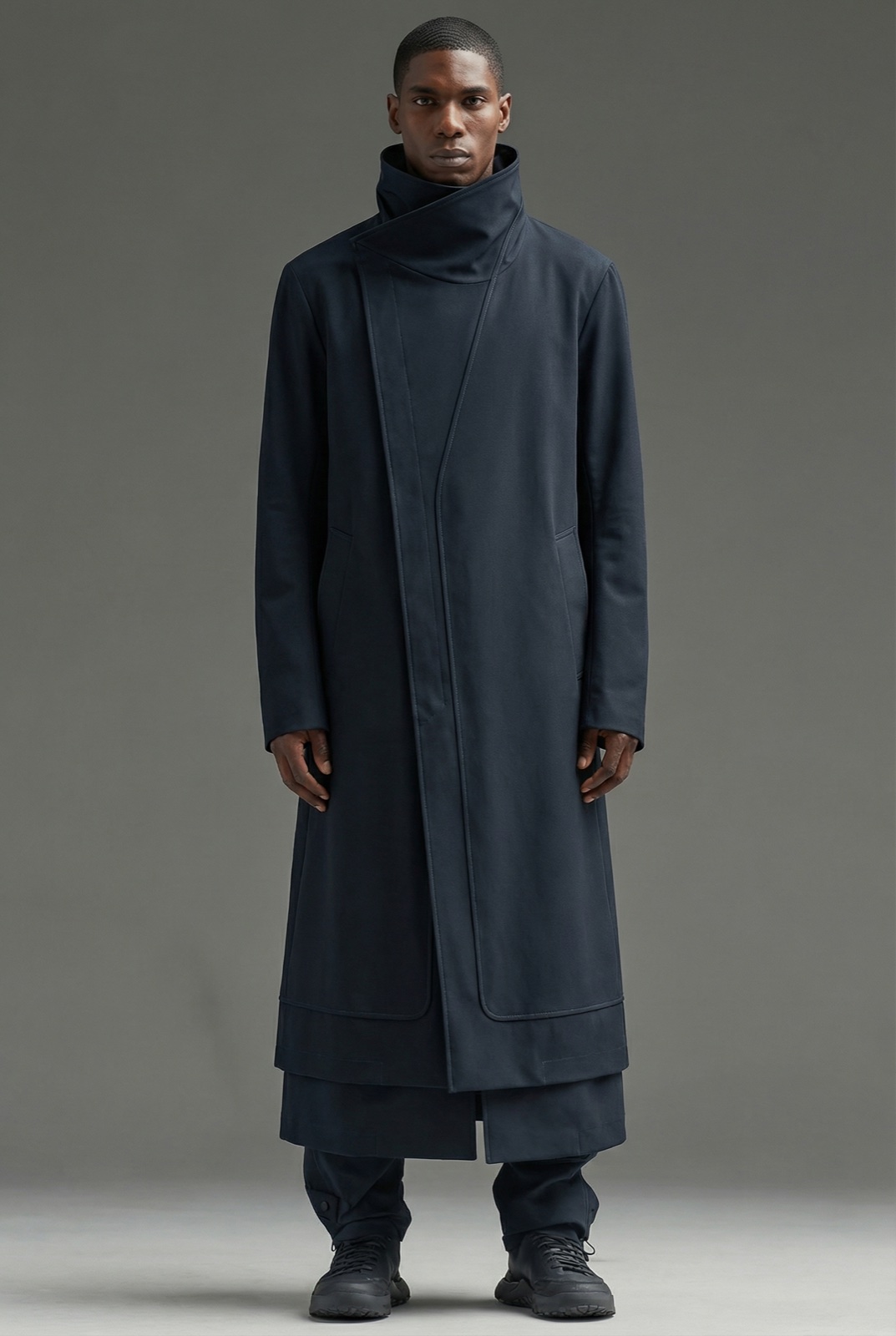
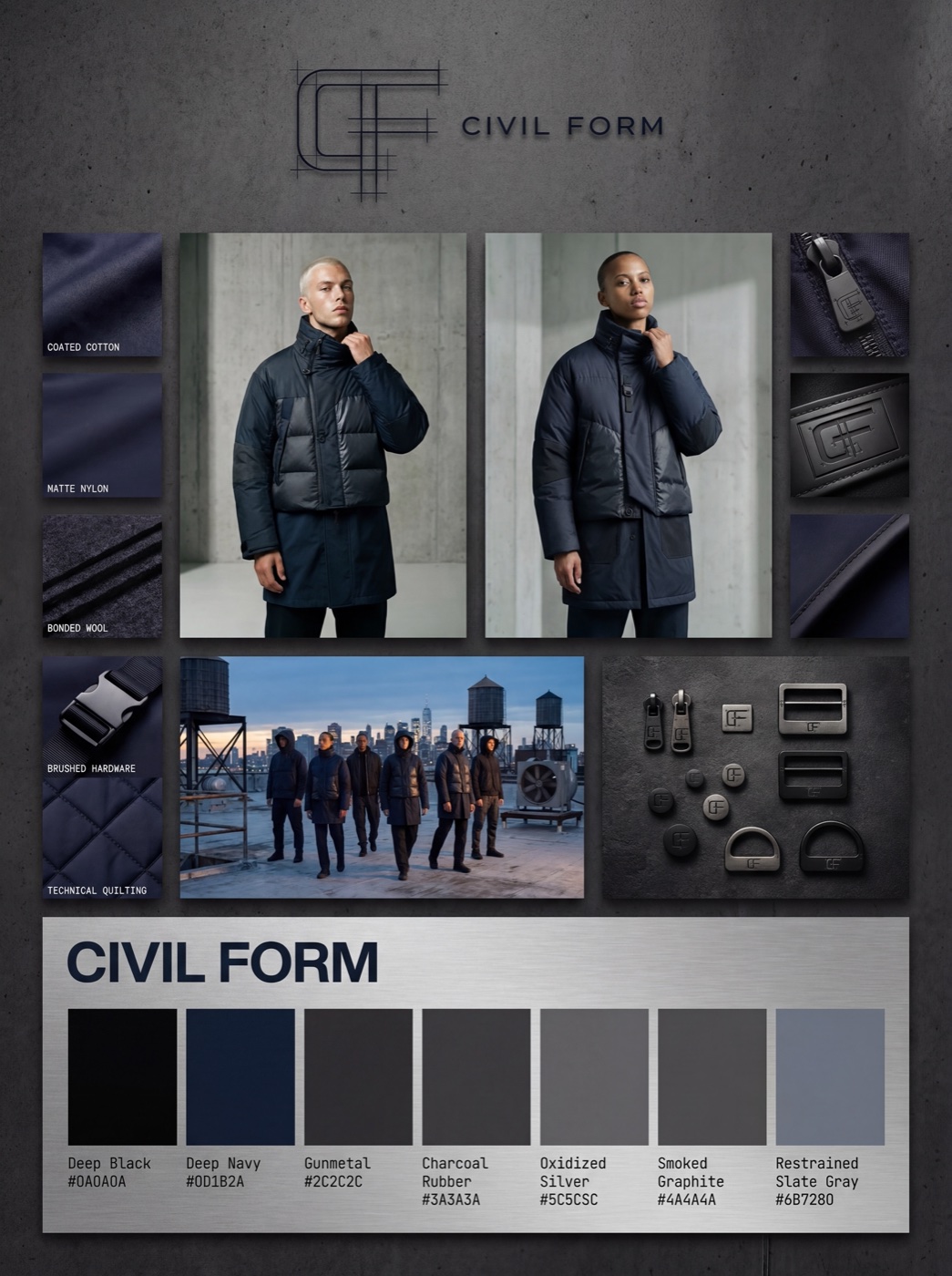
Civil Form began with a brief, not a prompt: protective, architectural outerwear for a buyer who wants a point of view, not just good taste. One design code runs through everything — a compressed upper shelter over an elongated lower base — so the women’s asymmetrical coat, the men’s coat, and the ceremonial hero piece read as one family. Navy behaves as depth rather than color, and the linework comes from material transitions: matte nylon against coated cotton, bonded wool, tonal rubber.

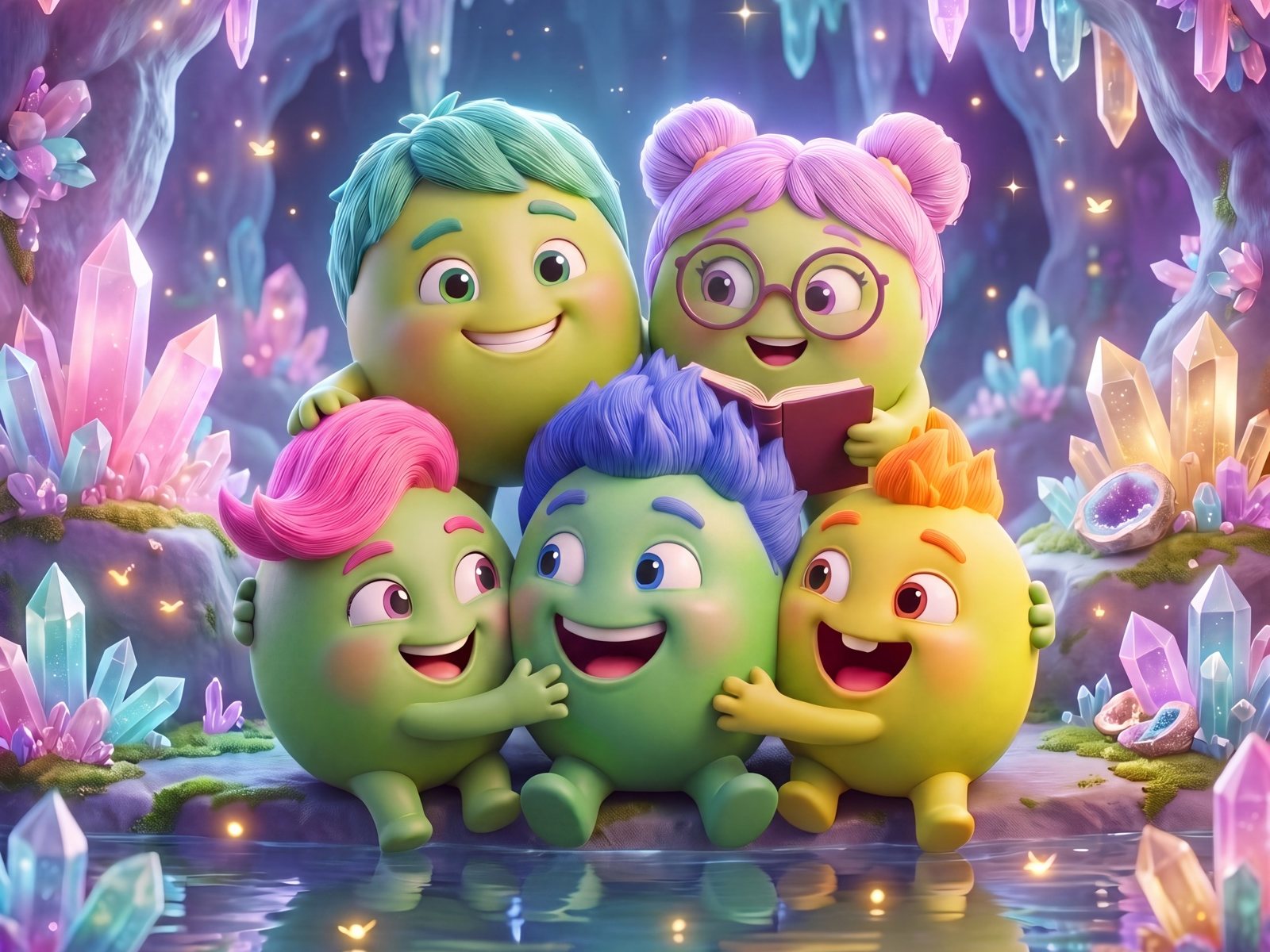
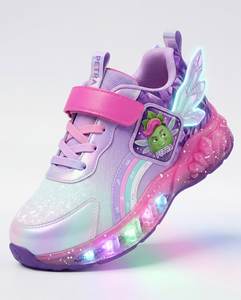
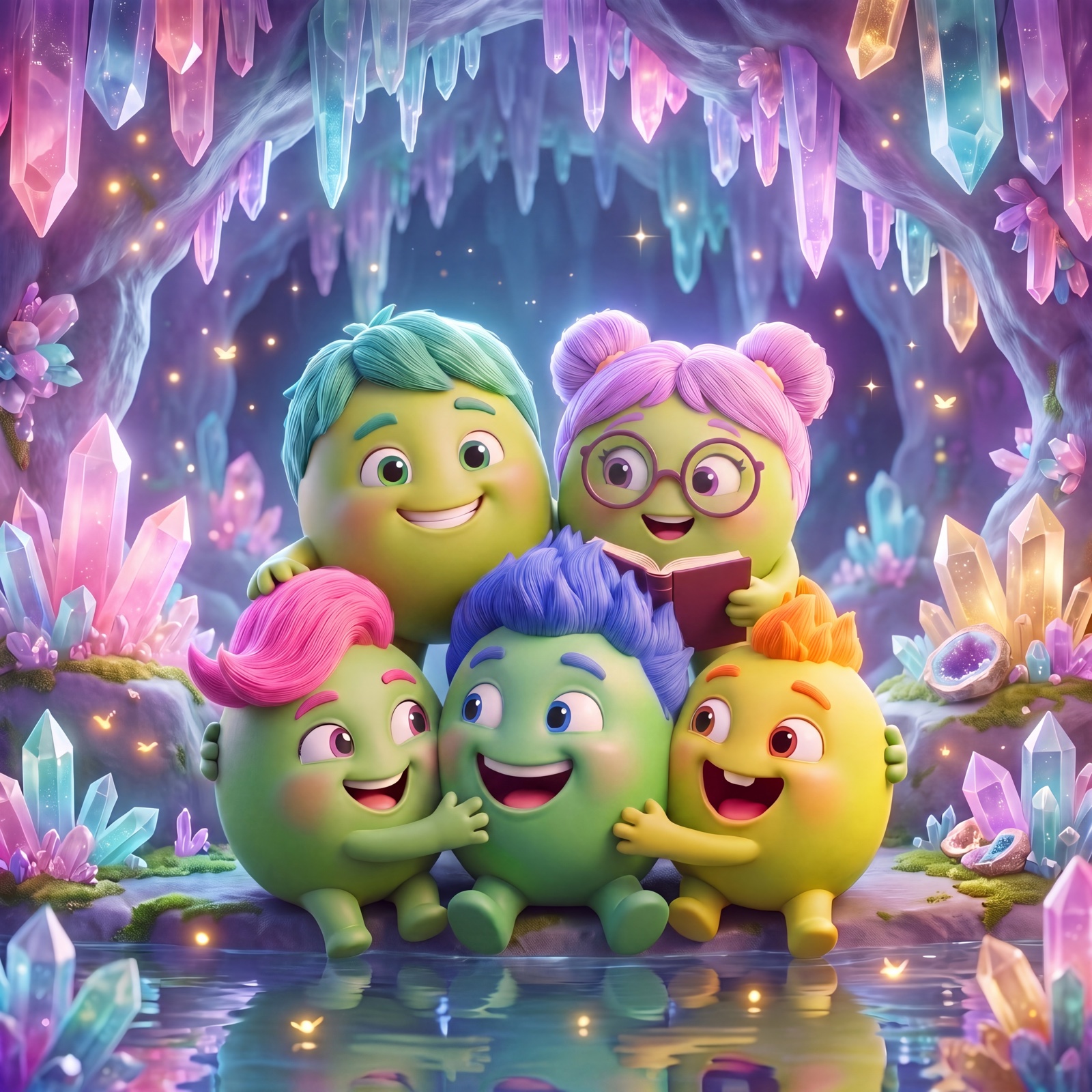
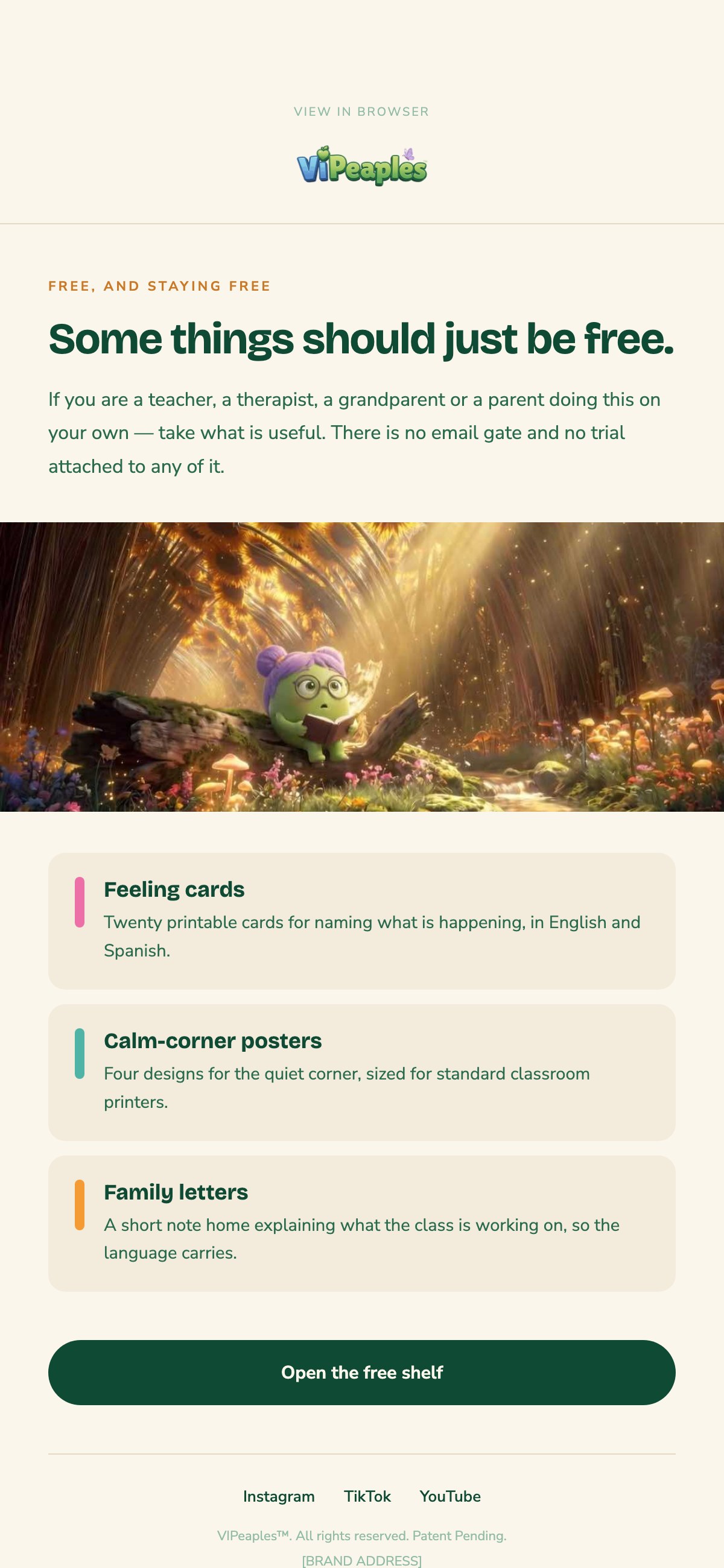
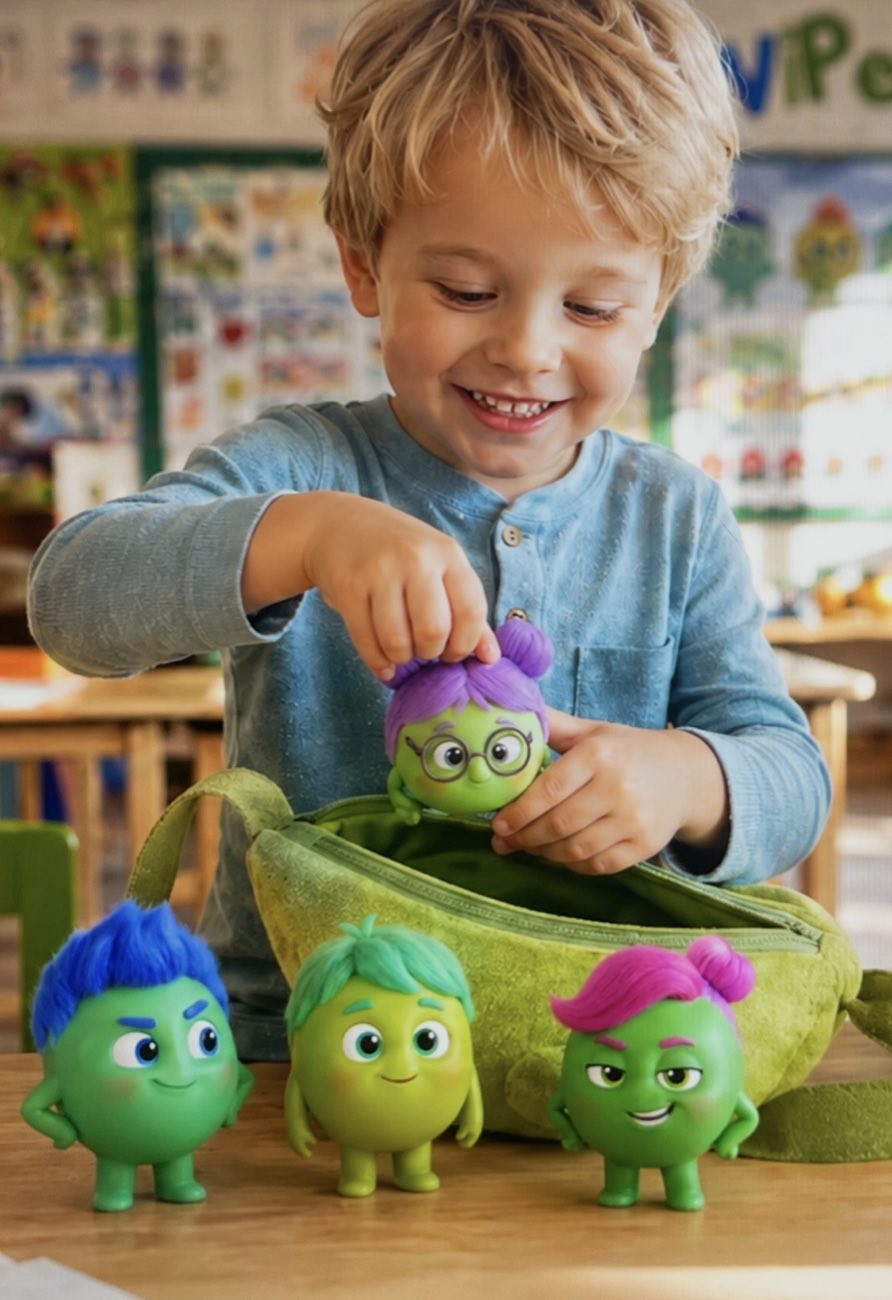
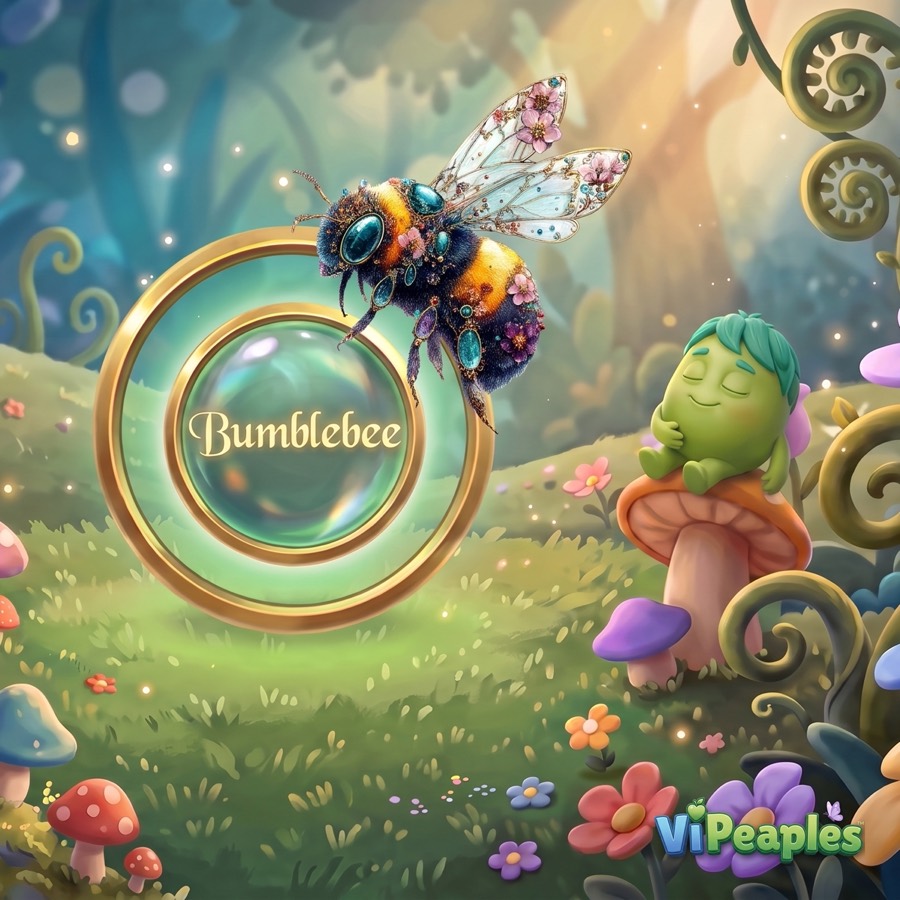
VIPeaples was created for children — a world where the soft skills that last a lifetime, naming a feeling, sharing, repairing a friendship, are first practiced somewhere safe. For the adults beside them, it is a working platform: a patent-pending lesson-plan generator, live in classrooms today, producing over 1 million unique bilingual plans. A teacher can describe the exact challenge one child is facing and receive a lesson, and a story, customized for him or her. Every character, film, voice, and lesson is made and run by one person, with an AI studio behind them.

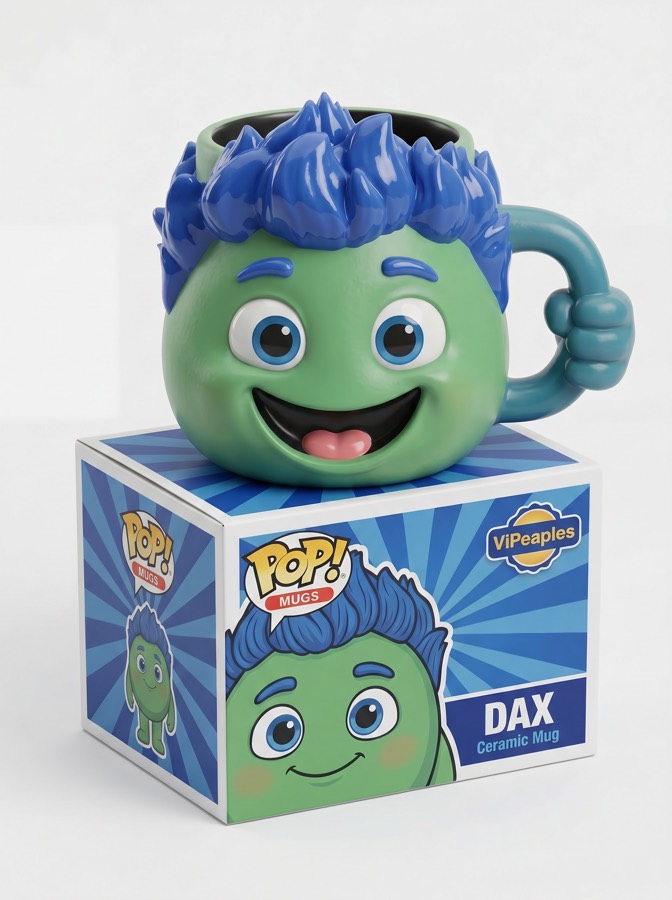
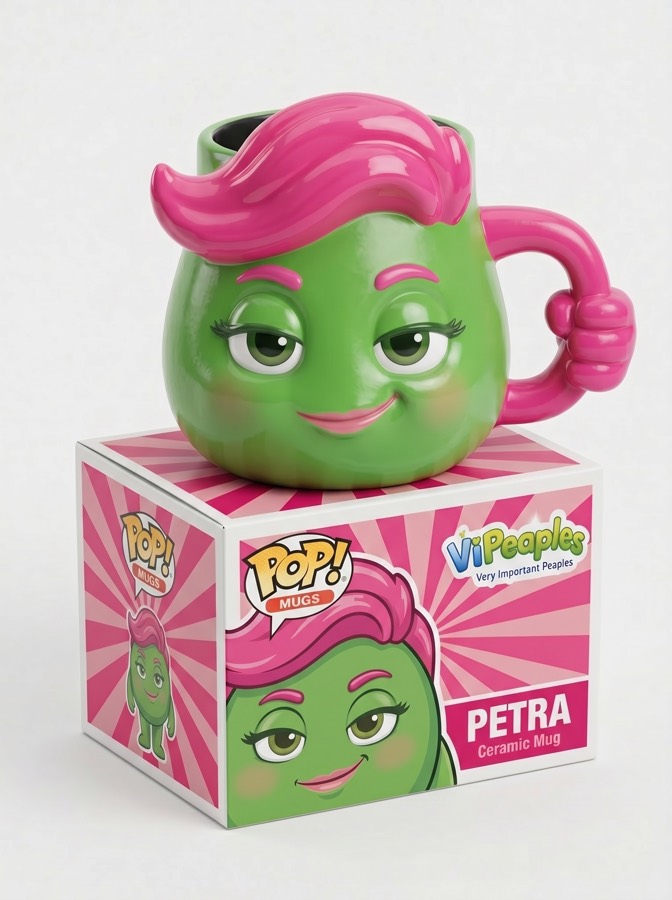
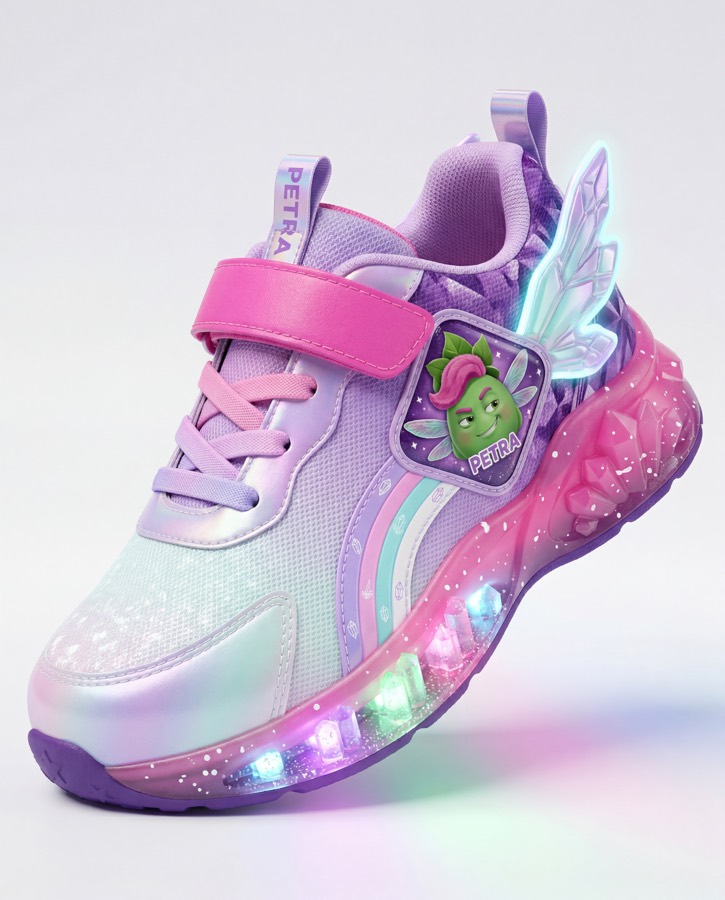
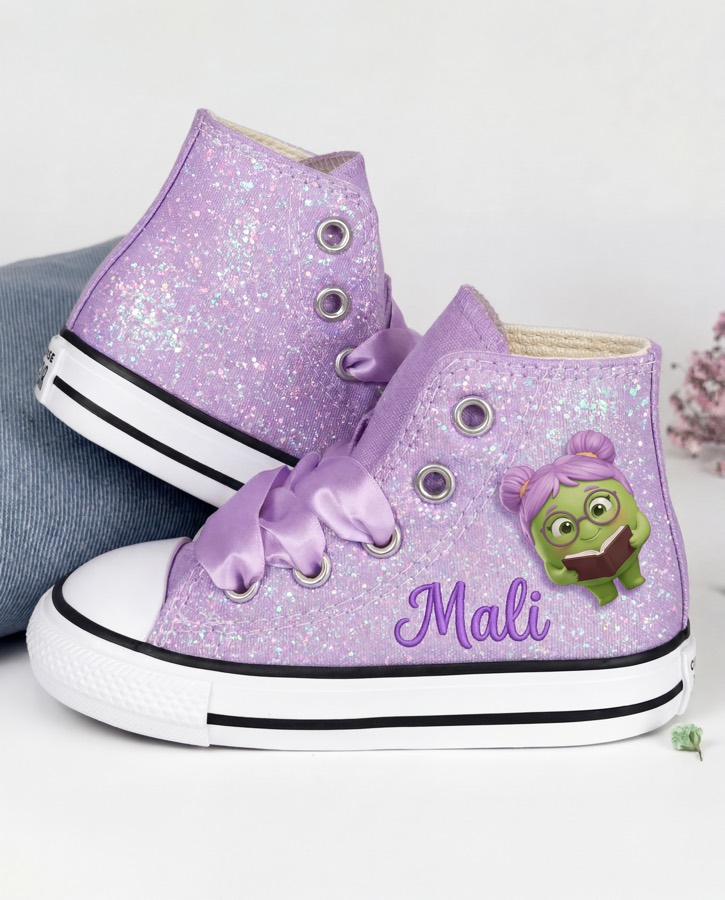
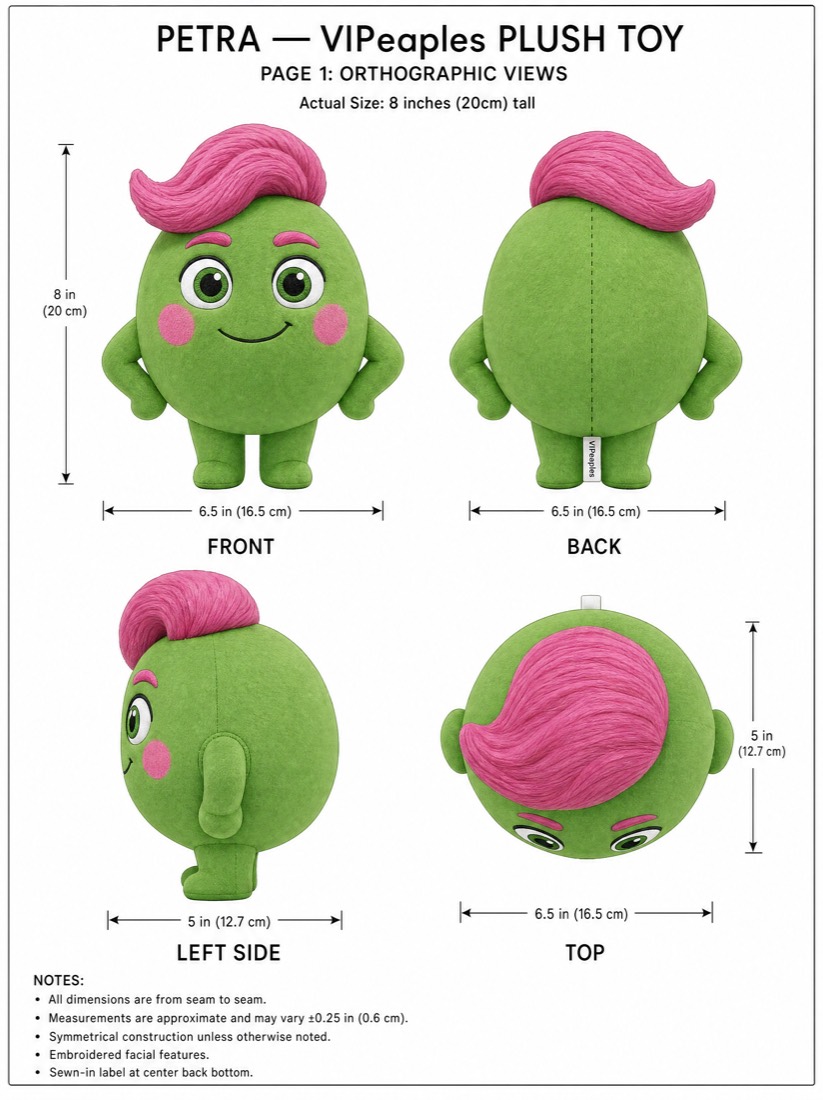
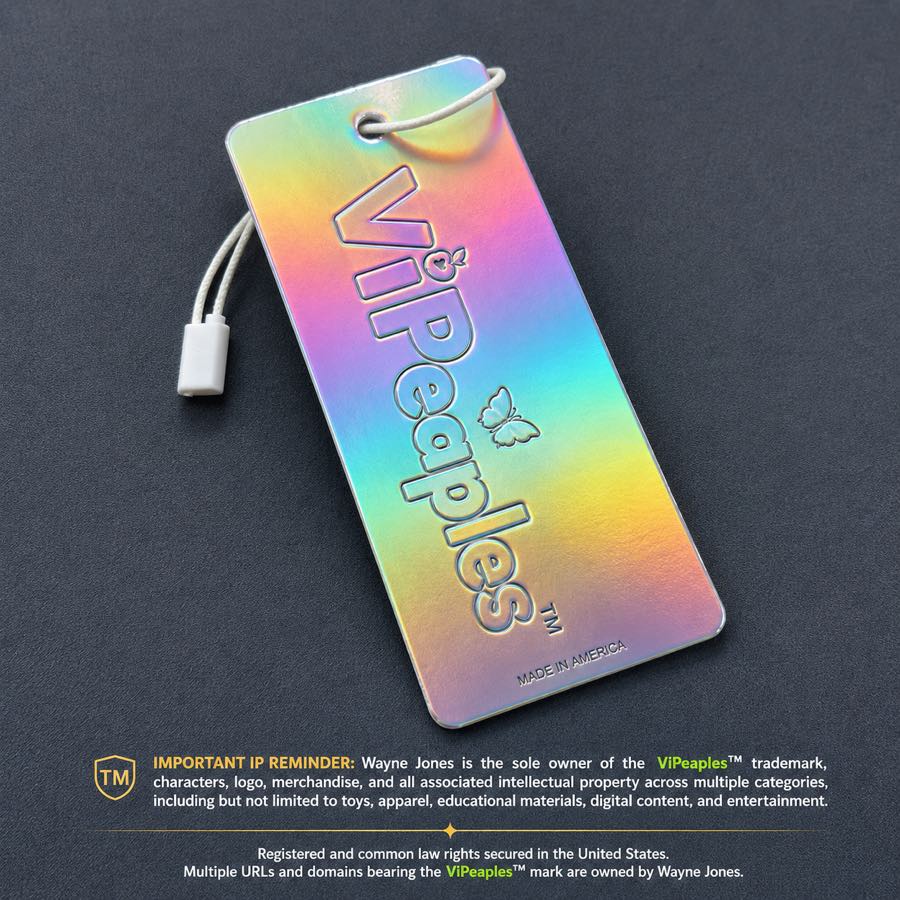
Concept to spec: sketch, product design, packaging, tech pack, and hangtag — the work a licensee actually needs before a character can go on a shelf.



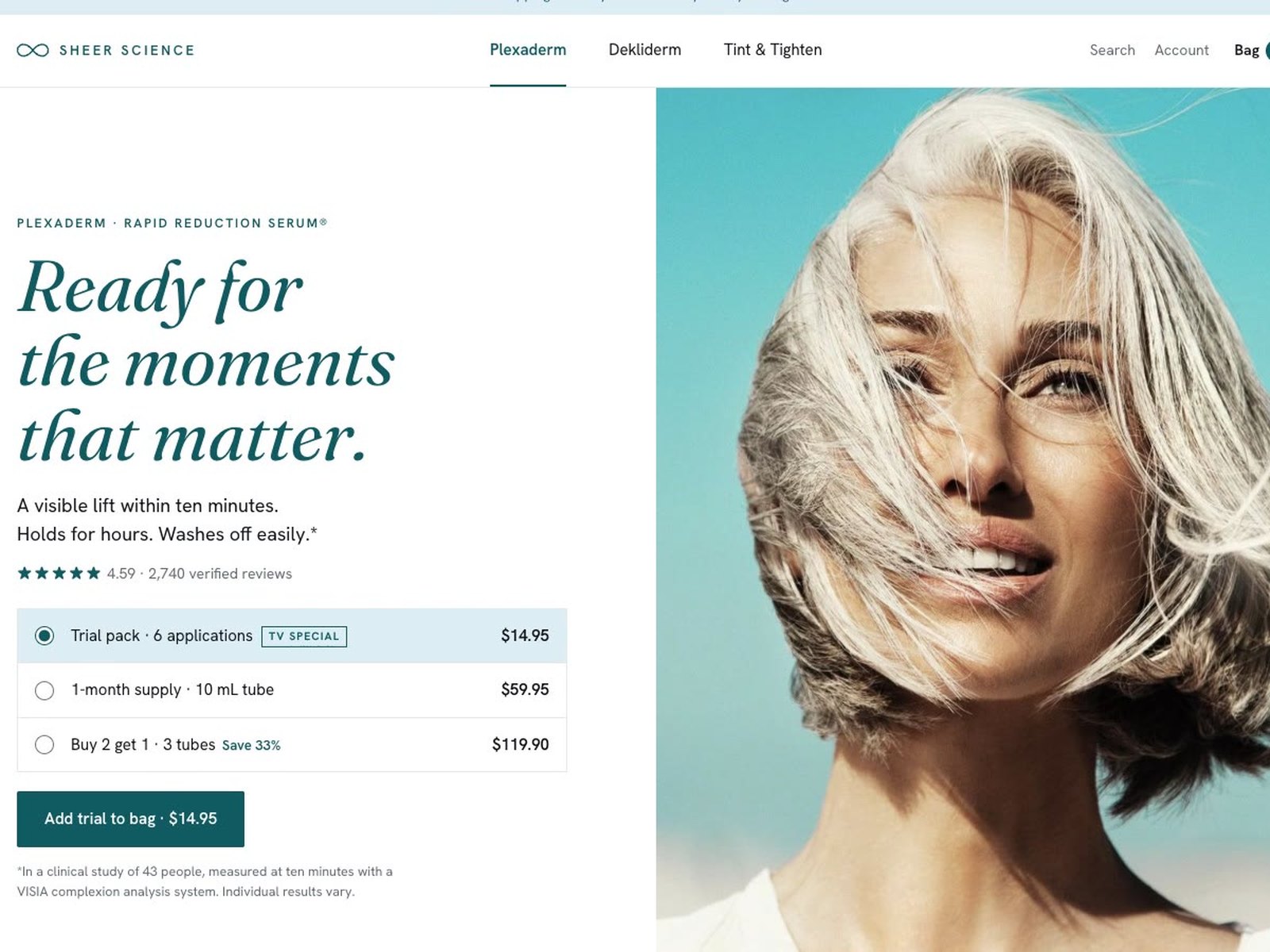
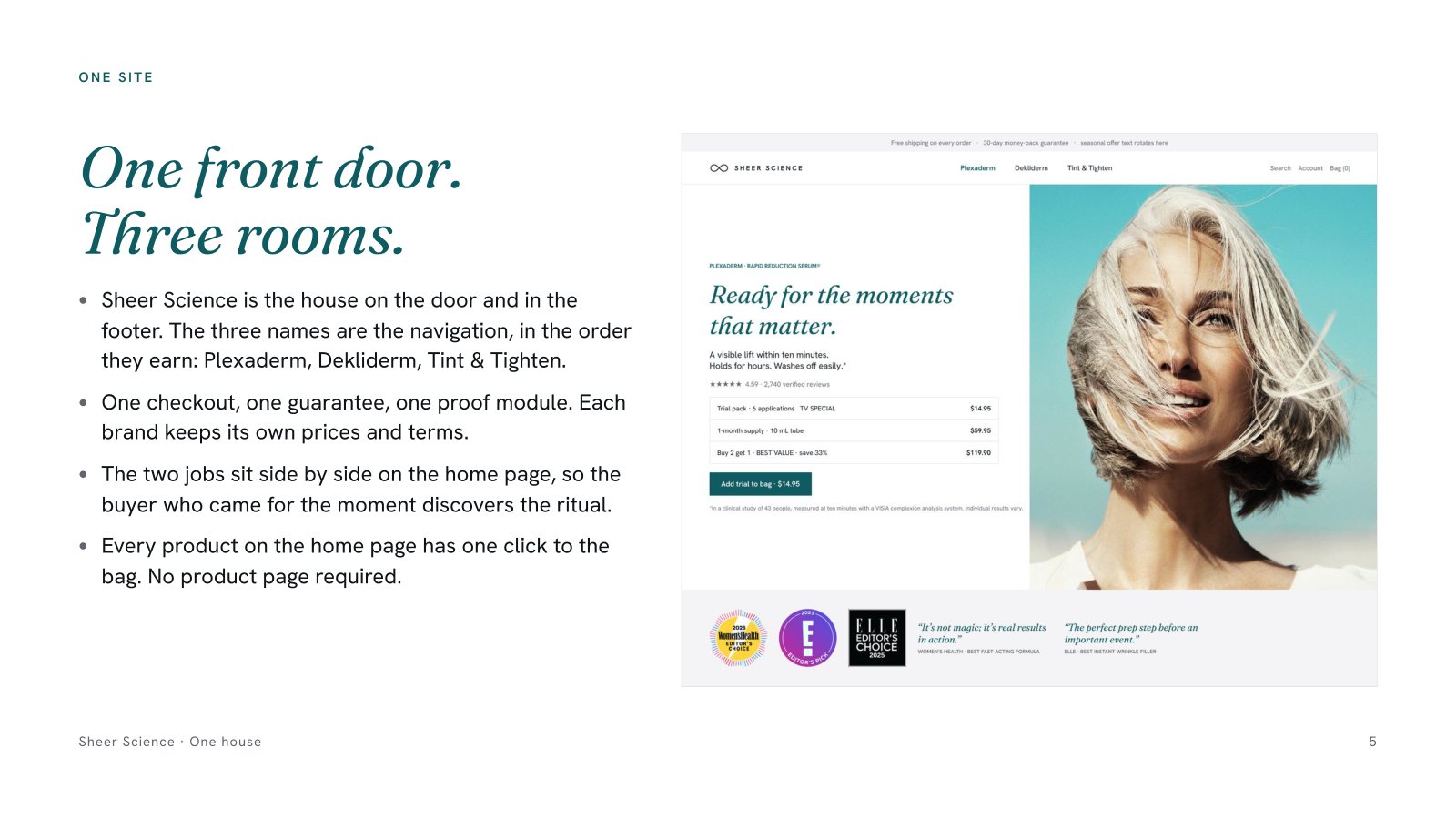
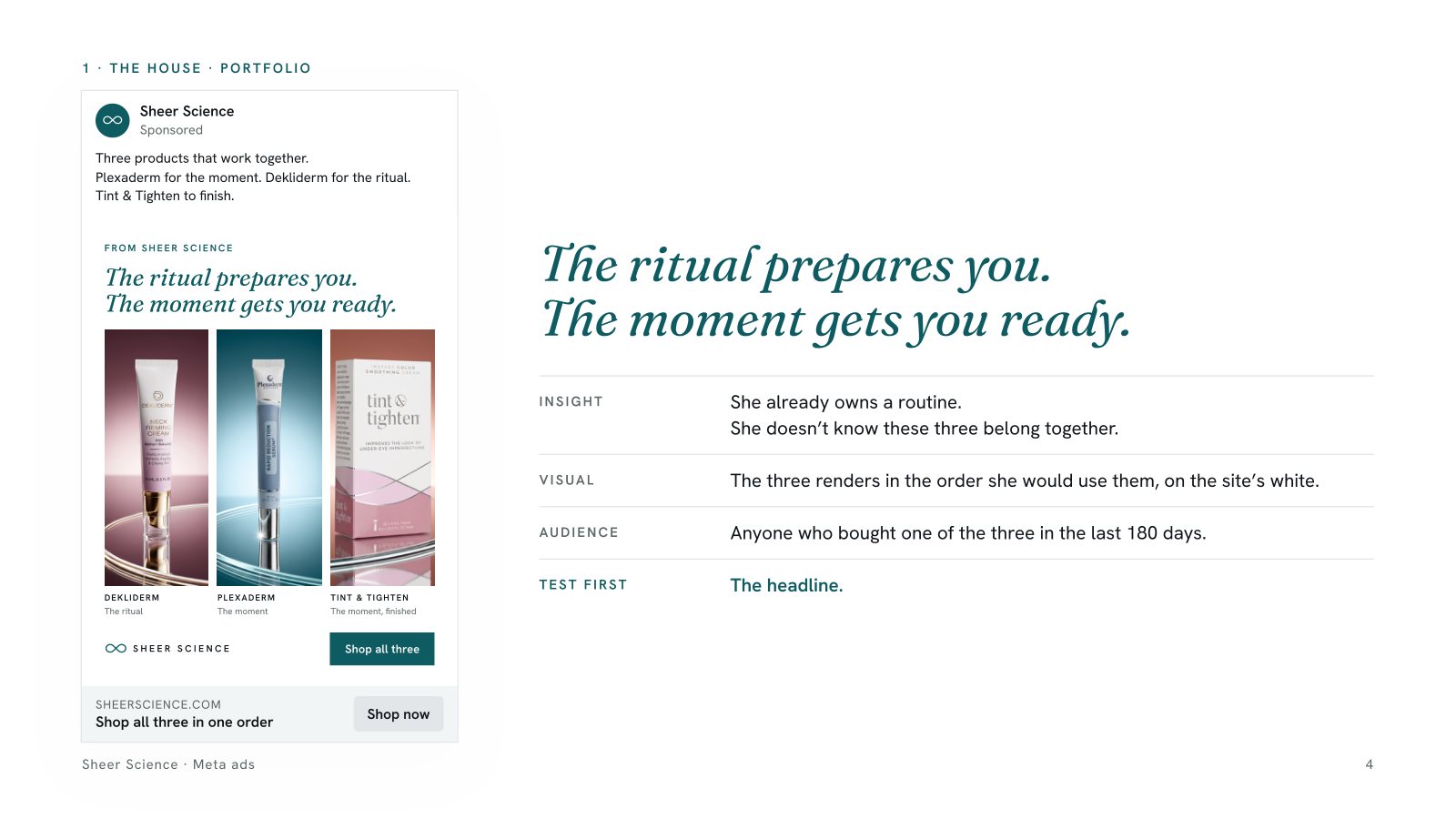
A brand refresh concept for a direct response skincare company: three products, three sites and three vocabularies brought under one roof, with a homepage prototype and six paid social ideas built to test.

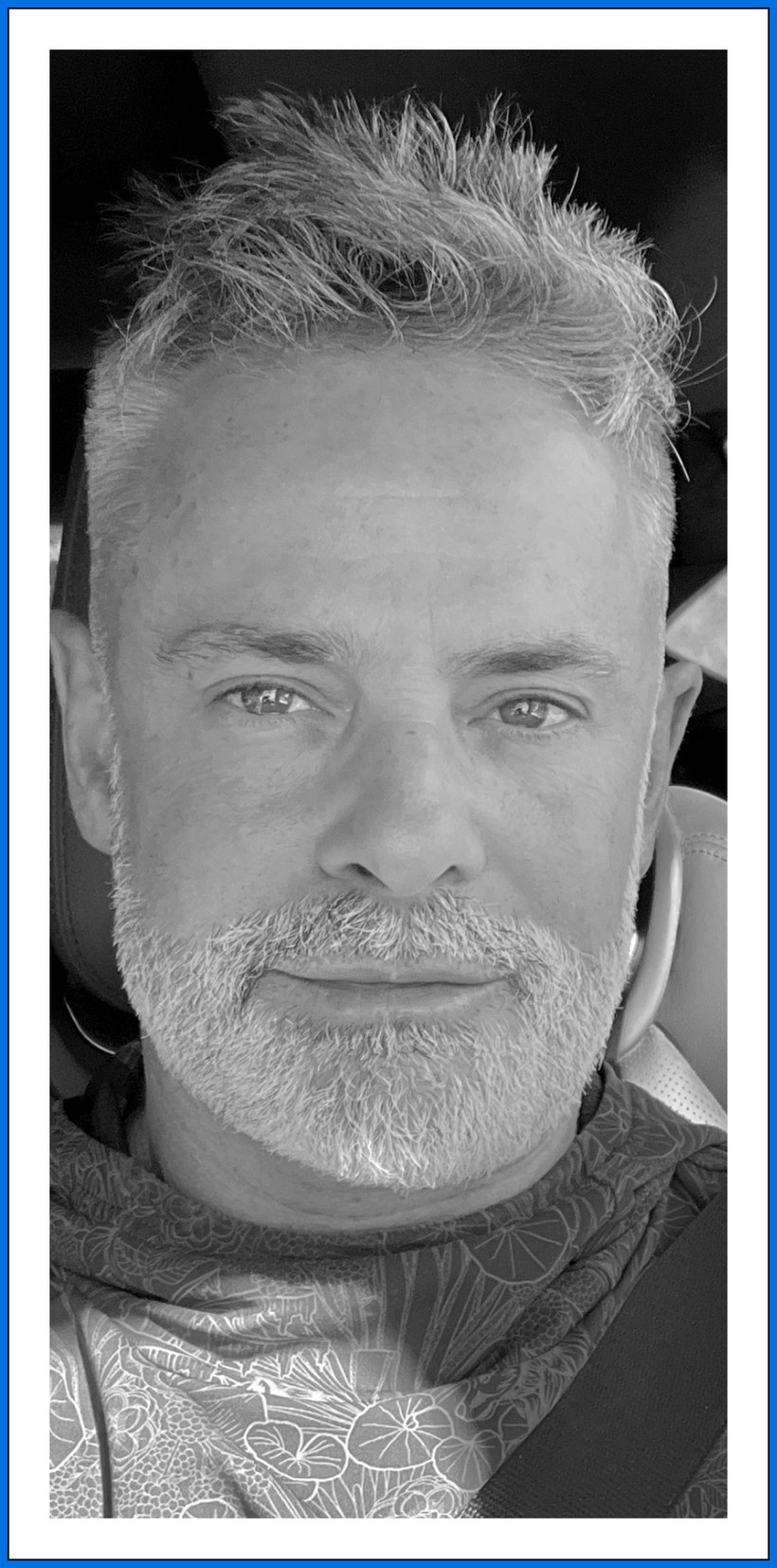
Wayne Jones has spent twenty-five years as a creative director for Fortune 500 brands — Saks Fifth Avenue, T.J. Maxx, Elie Tahari, Coca-Cola — building campaigns, studios, and the teams that run them. For the last two years he has been rebuilding that model with AI, one working system at a time. His conviction hasn’t changed since his first campaign: restraint is the luxury signal, and taste can’t be prompted.
Most executives are learning AI. I spent 25 years in marketing and creative for Fortune 500 brands, more than a decade building and running studio operations for national fashion retailers — and the last two building a fully AI-enabled studio of my own. The playbook exists. I run it every day.